

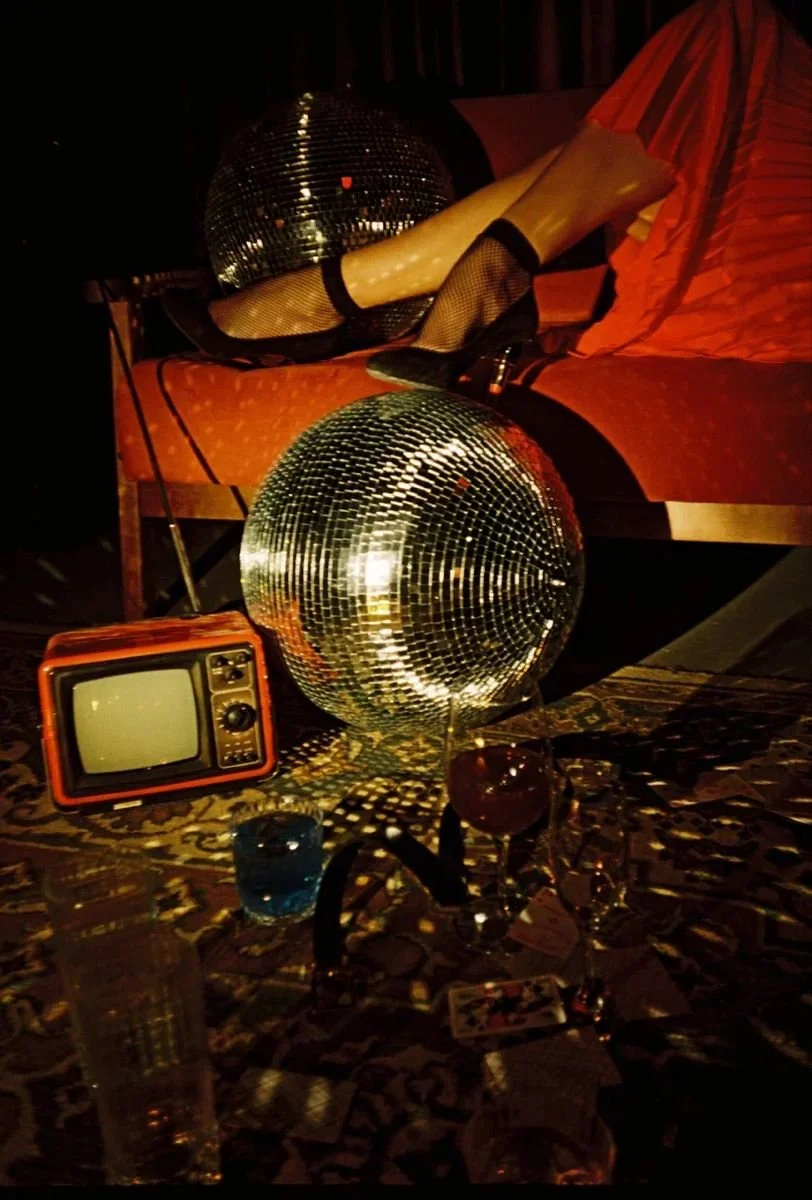
The Disco Ball Story
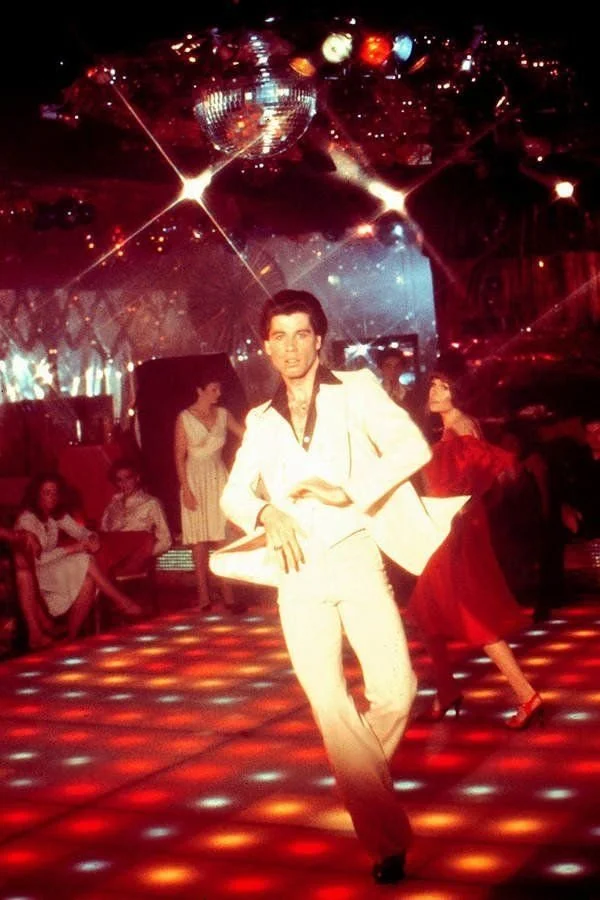
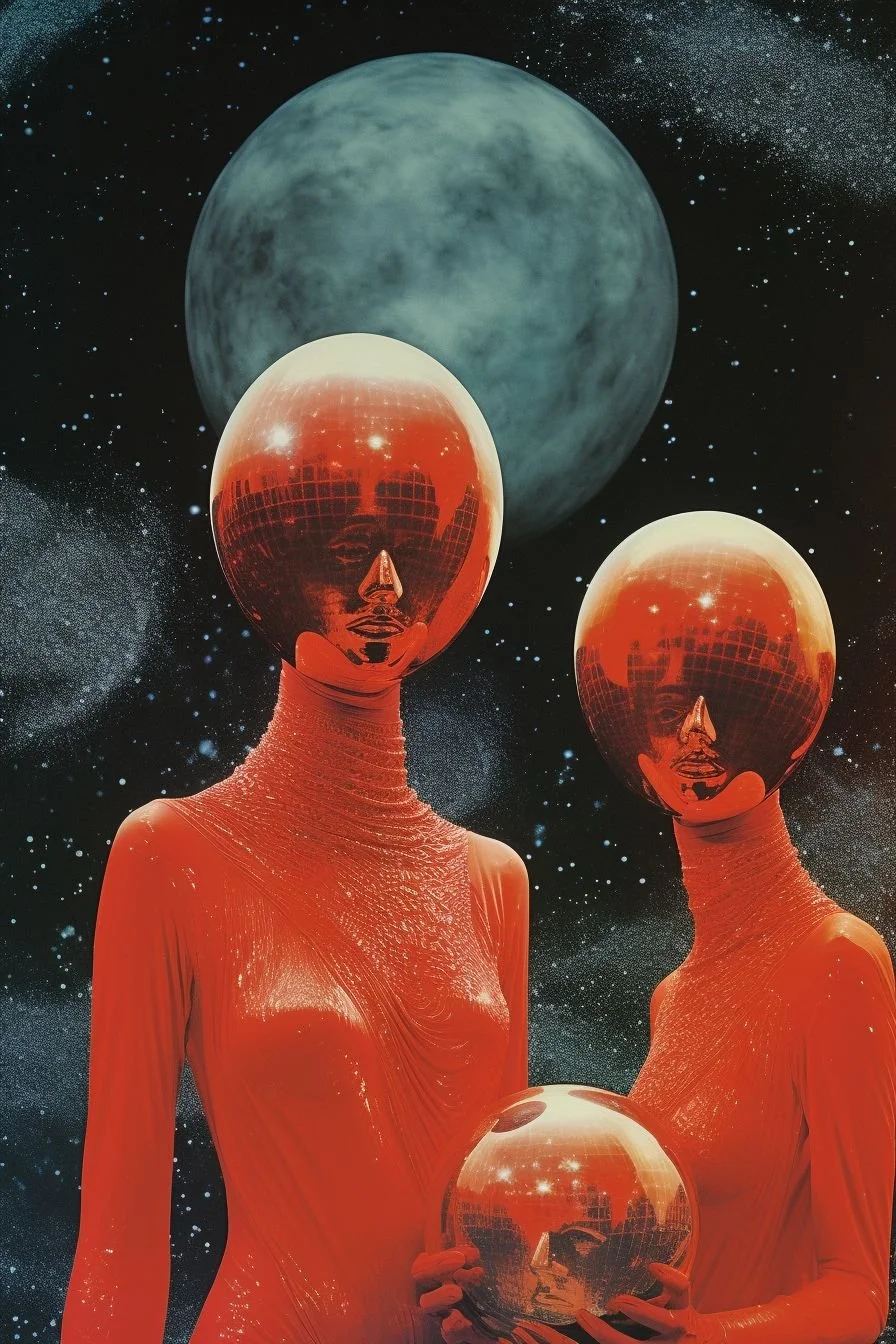
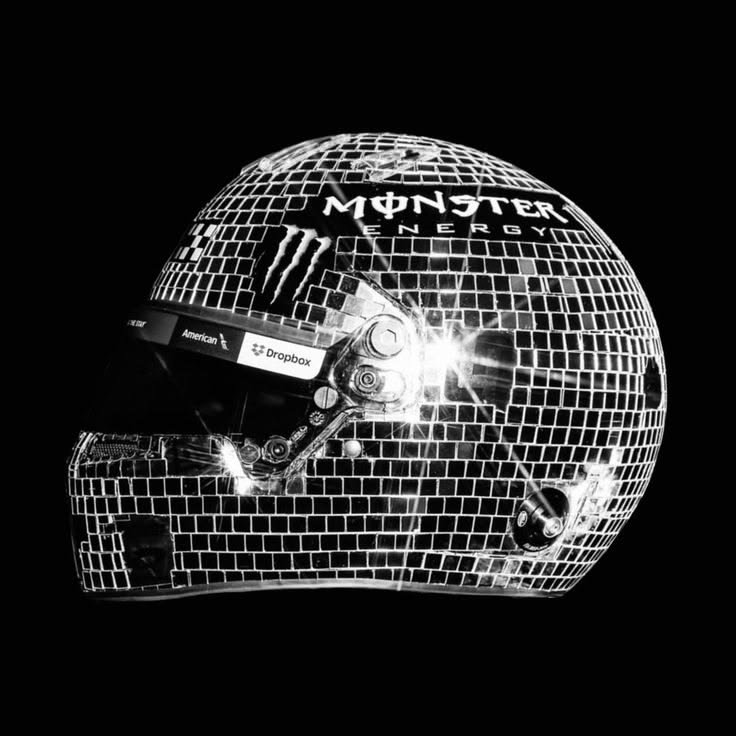
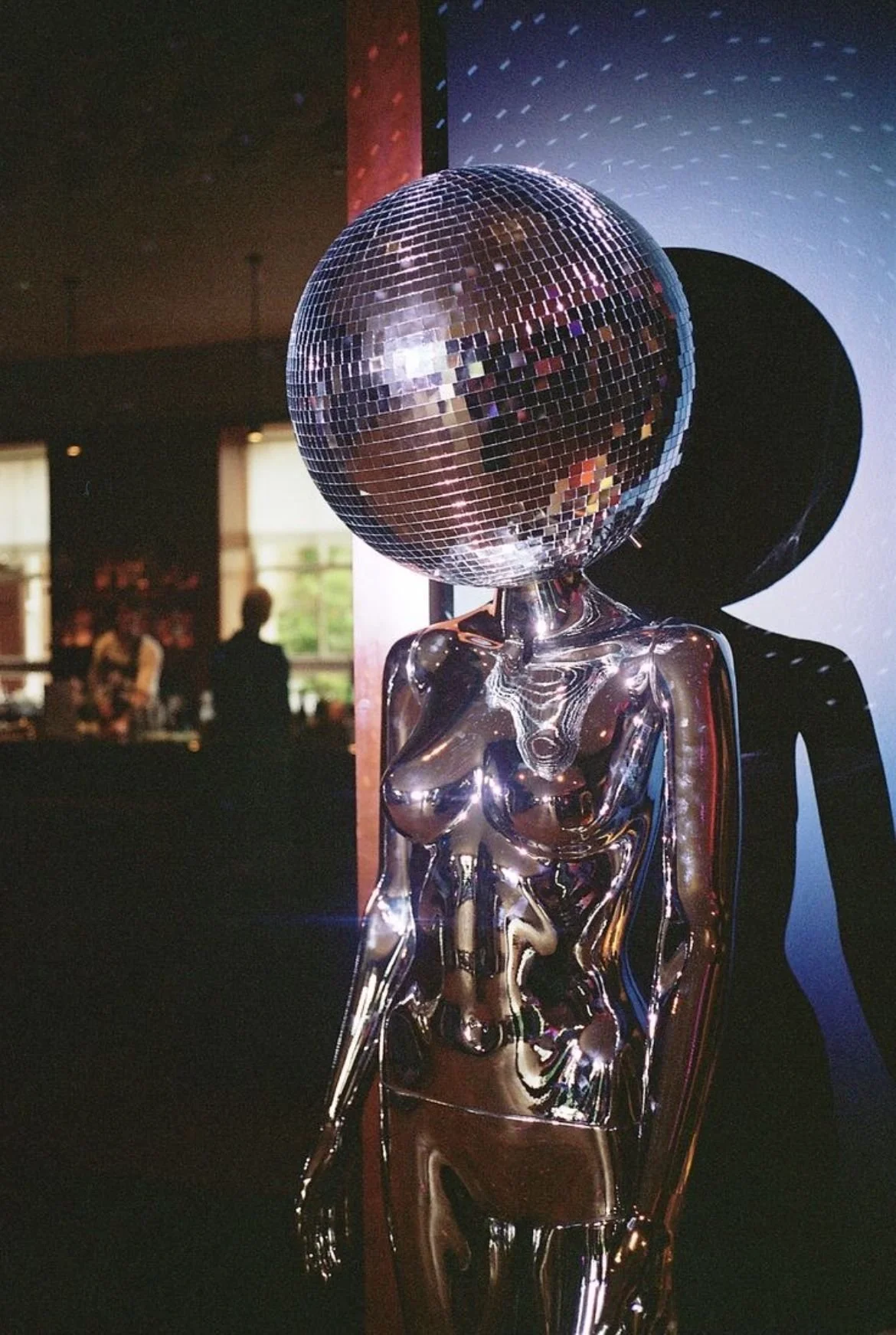
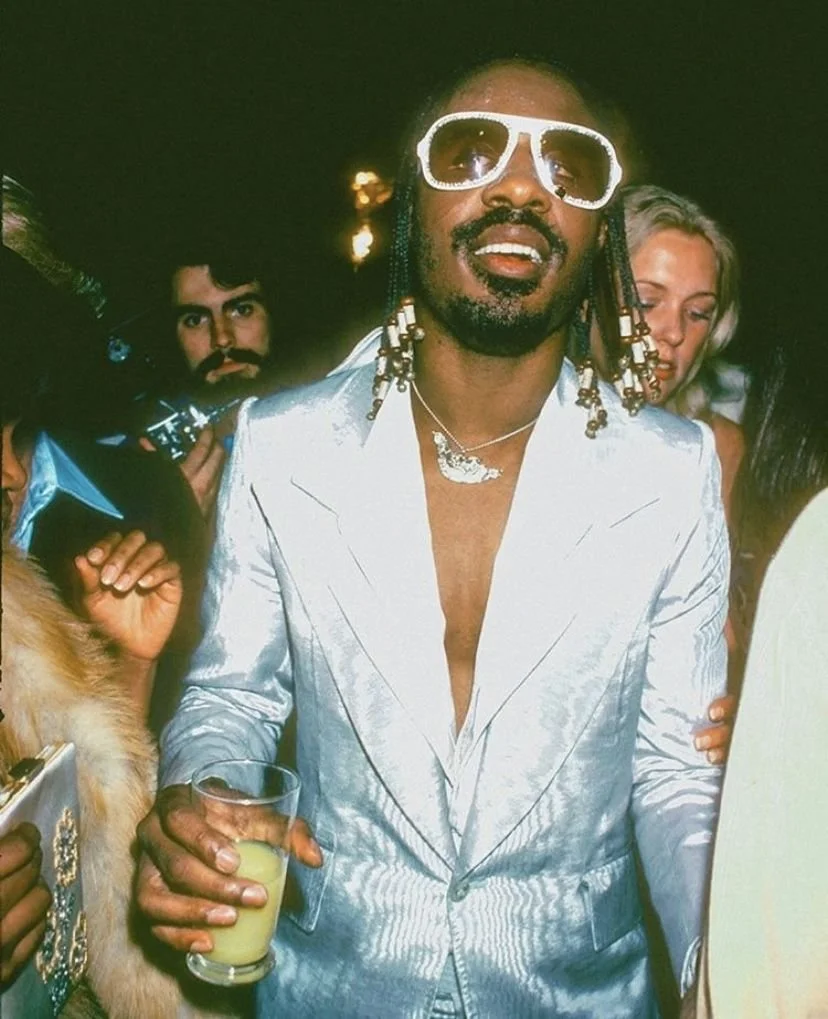
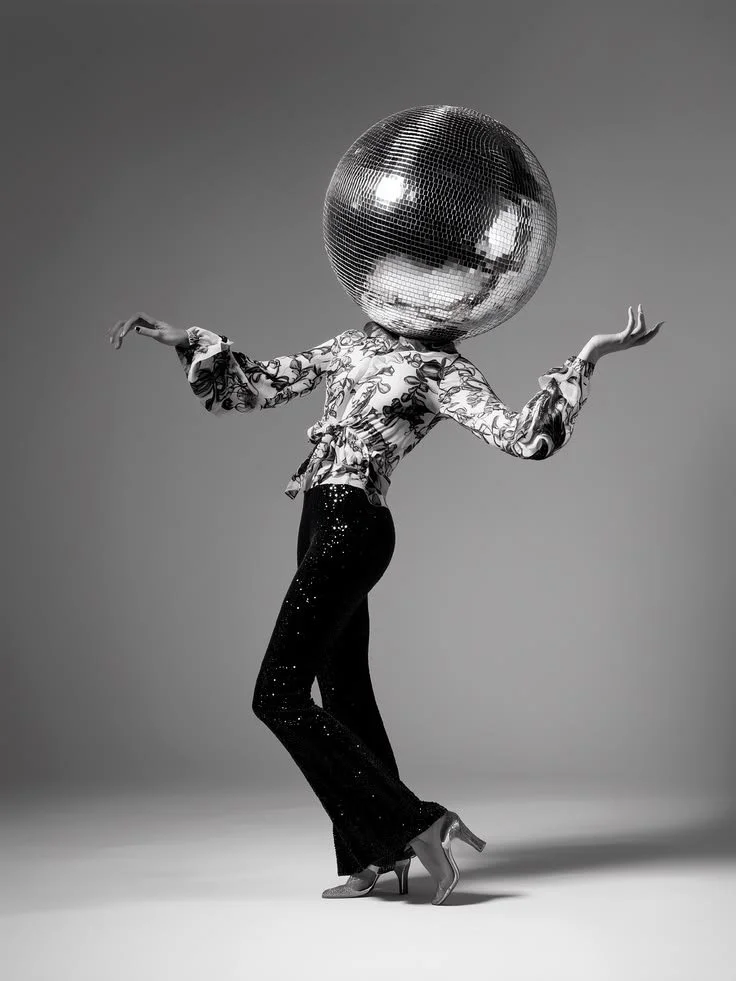
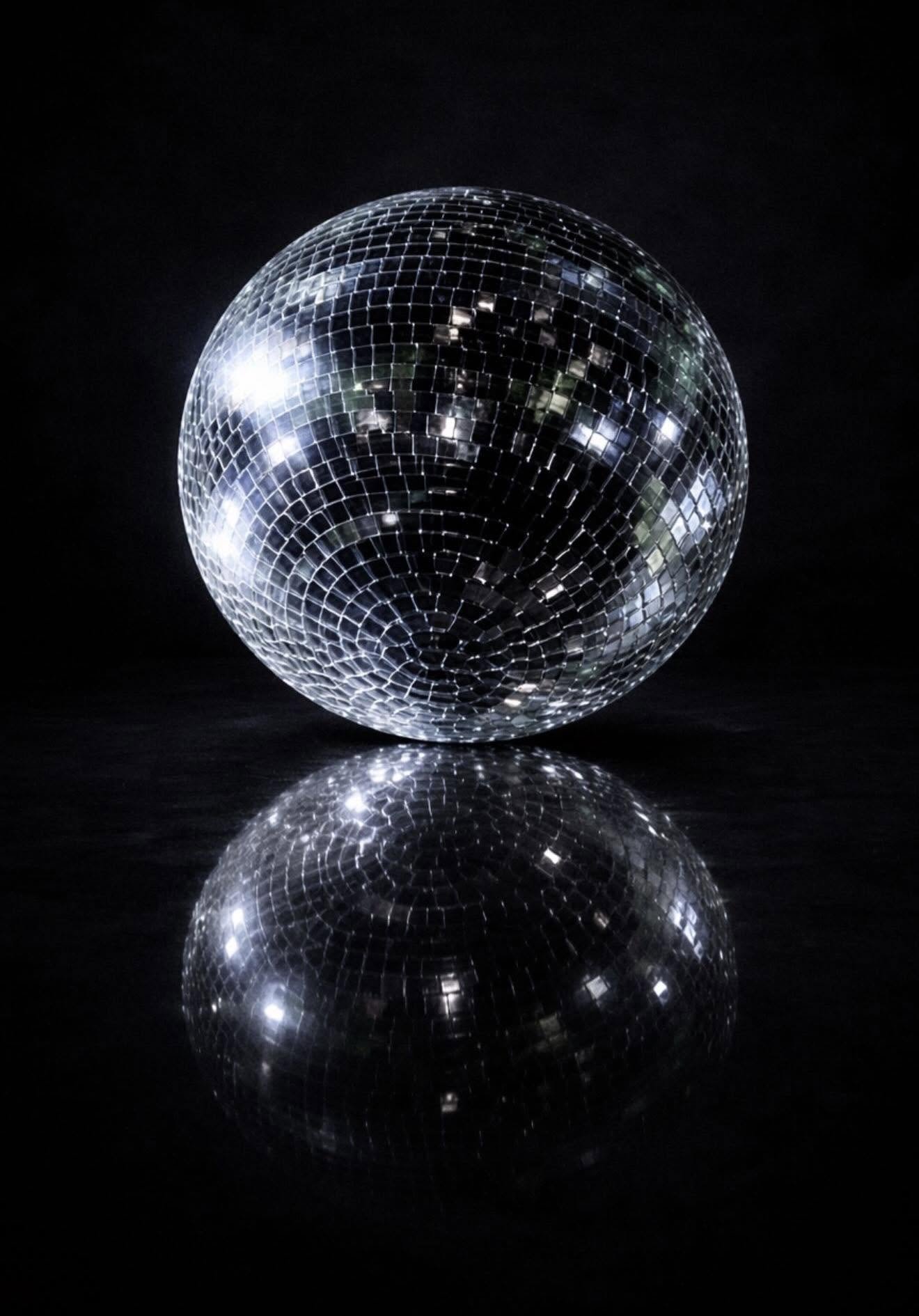
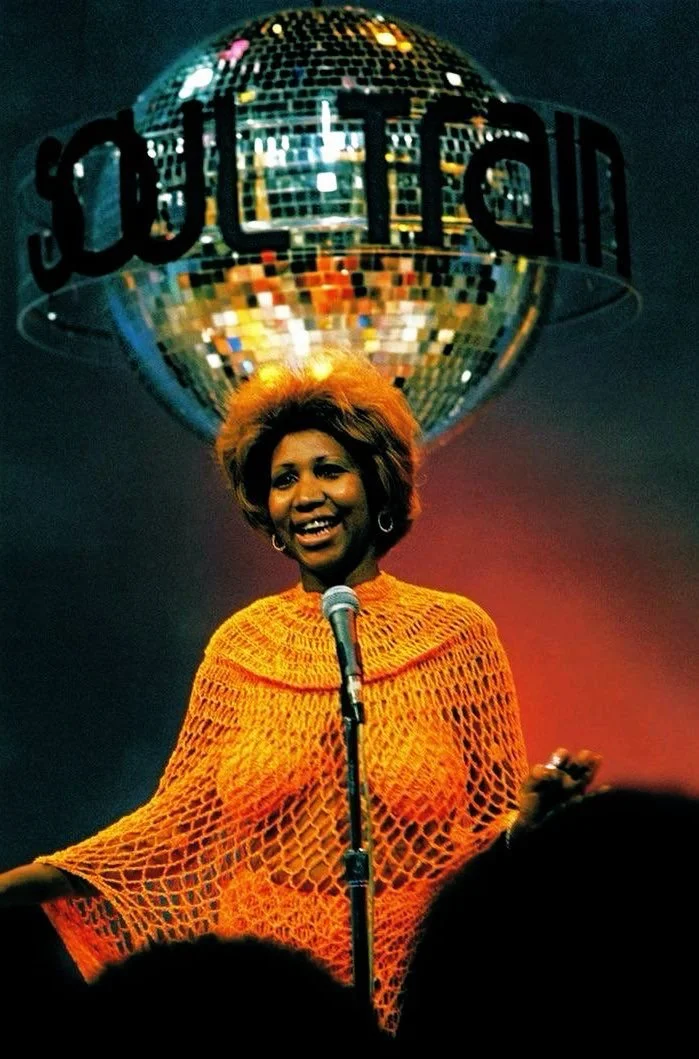
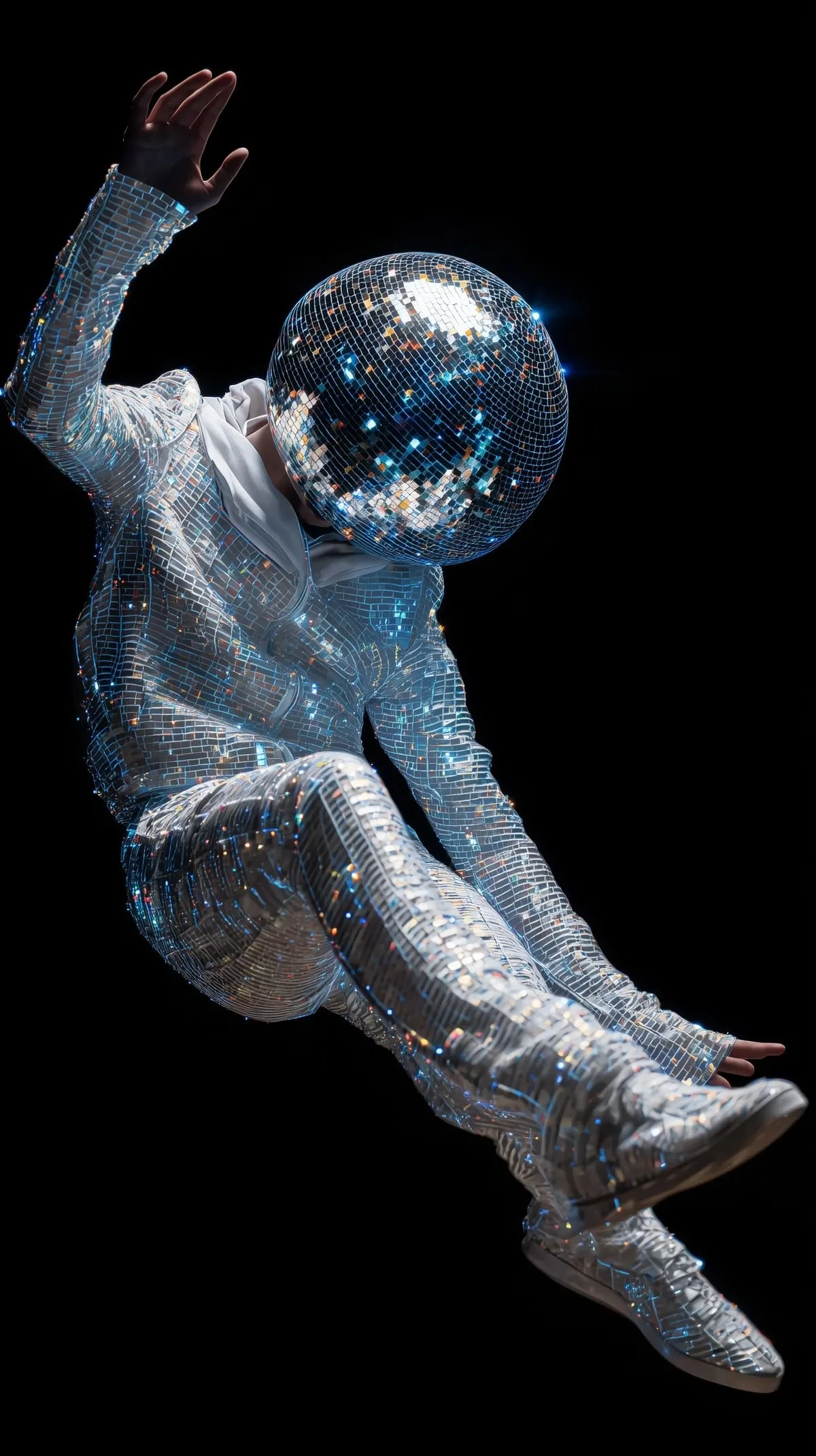
The disco ball is a timeless design object, transforming light into movement, atmosphere, and emotion. Its origins trace to 1917, when inventor Louis Bernard Woeste patented a mirrored “Myriad Reflector,” an early predecessor of today’s disco ball. Later becoming an icon of 1970s nightlife and disco culture, its fragmented mirrored surface came to symbolize celebration, glamour, freedom, and escapism. More than a party object, the disco ball continues to transcend eras, reinvented across interiors, fashion, art, music, and contemporary design.
The disco ball has followed me throughout my career, appearing repeatedly in my event designs as a symbol of celebration, transformation, and spectacle. I am drawn to how one object can completely alter a space through light and reflection. Within Realm Plutus, it becomes personal—a source of creative energy representing how I transform experiences, memories, and fragments of my journey into something new.
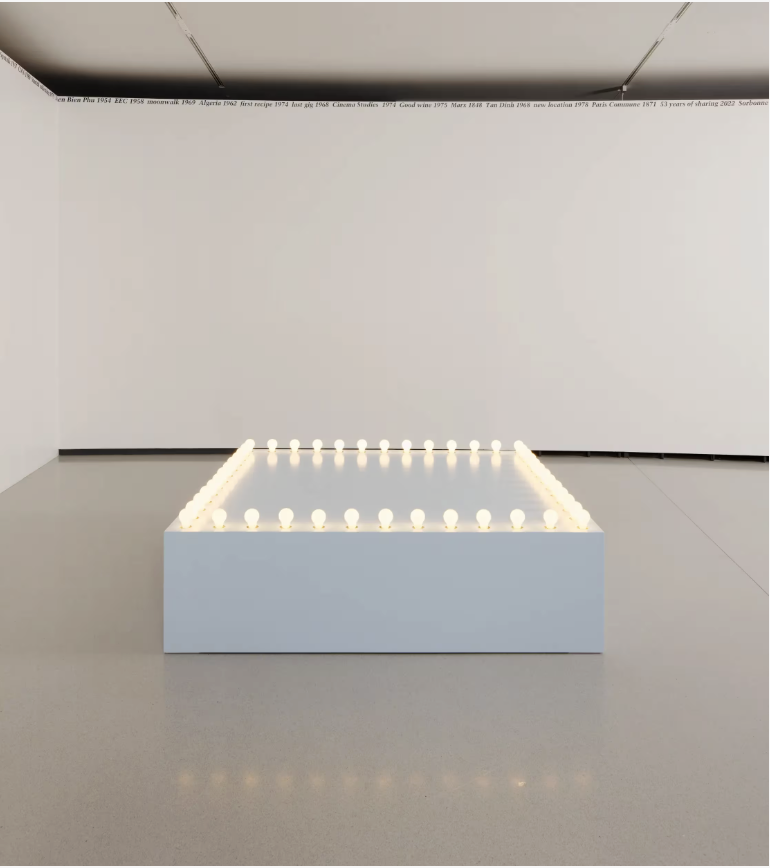
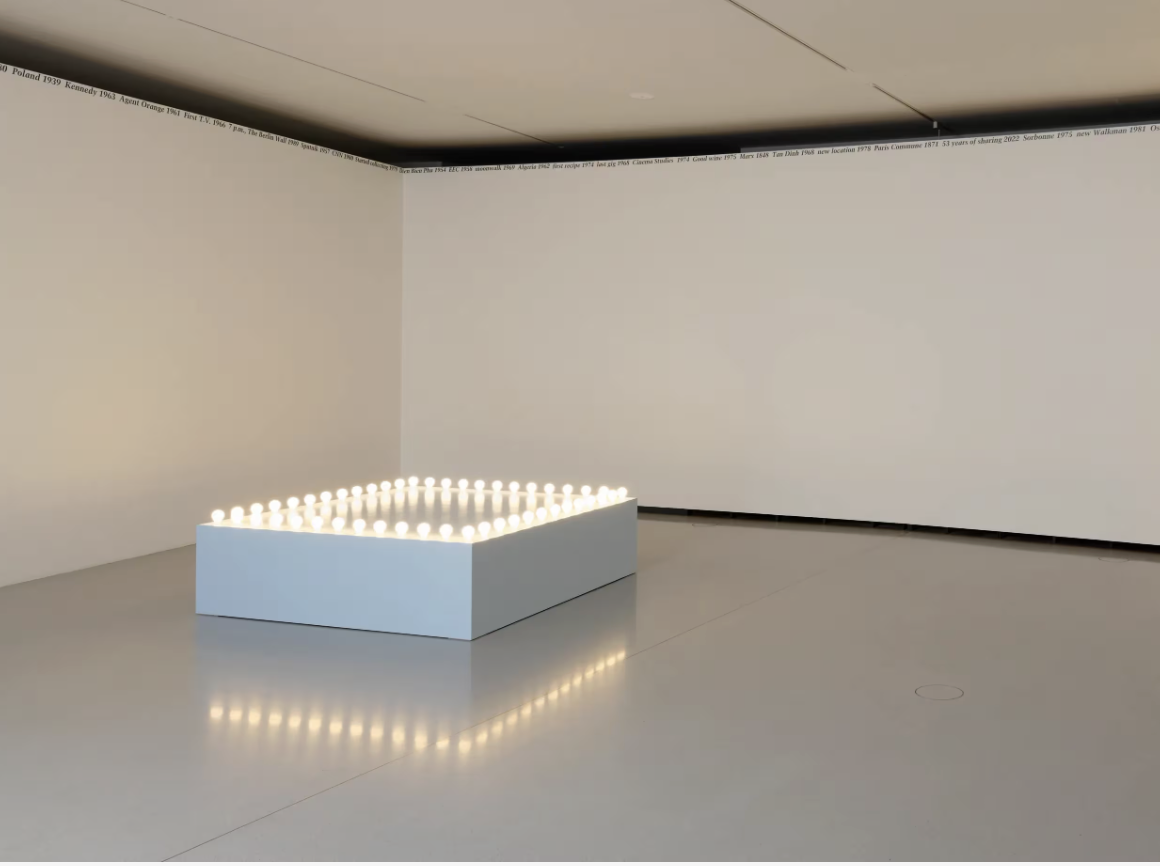
Felix Gonzalez-Torres
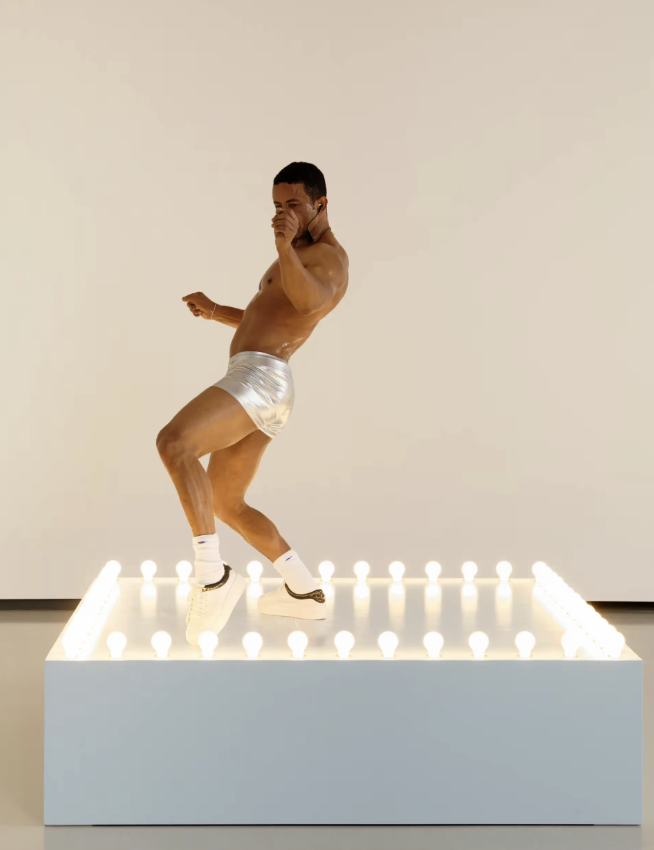
“Untitled” (Go-Go Dancing Platform)
1991
Wood, light bulbs, light sockets, electrical cord and paint
Unique
Platform: 54.6 x 182.9 x 182.9 cm / 21 1/2 x 72 x 72 in
At an undisclosed time, a lamé-clad go-go dancer ascends a light blue platform with a personal listening device. Surrounded by 48 illuminated lightbulbs, listening to music of their own choosing, they dance for approximately five minutes before disappearing again.
Conceived just months after the artist’s partner, Ross Laycock, died of AIDS, followed by the death of the artist’s father, “Untitled” (Go-Go Dancing Platform) (1991) was made during a moment of profound personal loss and against a backdrop of widespread homophobia, yet offers moments of joy and desire.